Antalya shopping comes in three kinds: the old bazaar streets in and around Kaleiçi, the weekly neighbourhood markets called pazar, and big modern malls. The best things to take home are local products with a registered geographical indication, such as a hand-knotted Döşemealtı rug or a jar of Turkish pine honey. This guide tells you where to go, which day each market runs, and what to check before you pay. The facts come from the metropolitan and Muratpaşa municipalities, the malls' own sites and the register of the Turkish Patent and Trademark Office (TÜRKPATENT), as we found them on 18 November 2026.
Antalya shopping at a glance
- Old town: the clock tower at Kalekapısı, Uzun Çarşı street and the old han courtyards of Kaleiçi.
- Weekly markets: Muratpaşa Municipality lists 30, spread across every day of the week. Many are covered.
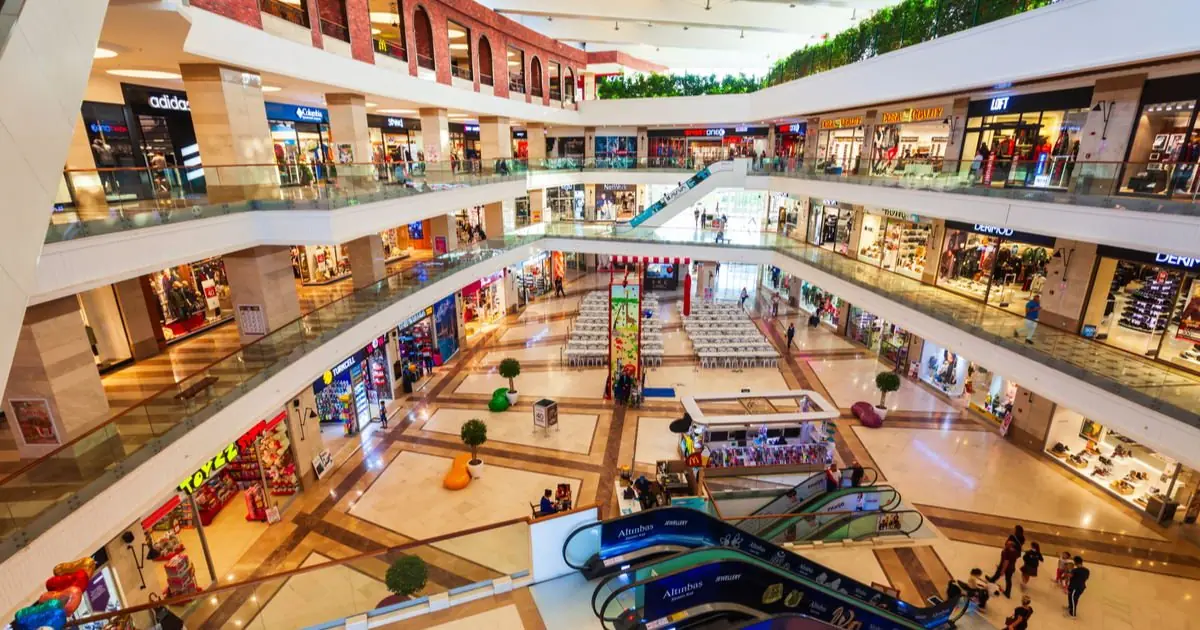
- Malls: TerraCity in Lara (185 shops) and Antalya Migros AVM (130 stores, open daily 10:00–22:00).
- Bring home: a Döşemealtı rug, Turkish pine honey, citrus-peel jam and, in season, Finike oranges.
- Don't bring home: anything ancient. Turkish law bars protected cultural property from leaving the country.
Kaleiçi and the old bazaar
The old town has been a place to shop for a long time. Antalya Metropolitan Municipality's Kaleiçi page tells the story through its streets and buildings.
Kalekapısı: the market gate
The old town's main gate on the land side was Kale Kapısı. The municipality says it was also called Pazar Kapısı and Çarşı Kapısı, both meaning "market gate". The gate itself was pulled down during the First World War. The Clock Tower, built by the municipality in 1921, stands on the gate's old tower, and it is still the landmark to aim for.
For lunch nearby, Parlak Restaurant is by the Zincirli Han at Kalekapısı.
Uzun Çarşı
Uzun Çarşı means "long bazaar". The municipality traces a line of Arabic inscriptions on the old inner wall from Merdivenli Kapı along Uzun Çarşı Sokak to Kale Kapısı. In other words, the street runs inside the walls up to the clock tower. If you stay for the evening, Kaleiçi Deli Divane is on Uzun Çarşı Sokak.
The han courtyards
Hans were the old merchants' inns. The municipality says the courtyard of the Tek Kapılı Han is ringed by shops, and that the upper-floor rooms of the İki Kapılı Han are used as a bazaar today. It gives no shop list or hours, so ask for the hans by name.
Hesapçı Sokak
Hesapçı Sokak was the main street of ancient Attaleia, running from Hadrian's Gate towards Hıdırlık Tower. The municipality notes that shops once lined it. Our Kaleiçi walking route follows it.
Old-town tips: no official page lists shop hours or prices. Ask for a written price before you agree, keep the receipt, and compare a few shops before buying anything costly. If you want to sleep within walking distance, browse Kaleiçi hotels.
Weekly markets (pazar) by day
In Turkish, pazar means both "market" and "Sunday". So Kundu Pazar Pazarı is simply Kundu's Sunday market.
Muratpaşa, the central district that includes Kaleiçi, lists 30 weekly markets on its website. Its announcement of 28 November 2024 set the current days. Covered markets (kapalı) are a good bet on a wet winter morning. Here is the municipality's list by day:
| Day | Markets |
|---|---|
| Monday | Etiler |
| Tuesday | Kızılarık, Soğuksu (Bayındır), Yenigün, Yüksekalan |
| Wednesday | Fener (covered), Sigorta (covered), Yeşilbahçe–Portakal Çiçeği (covered), Doğuyaka, Dutlubahçe, Ermenek |
| Thursday | Sedir (covered), Yenigün (covered), Meltem, Şirinyalı, Varlık |
| Friday | Güzeloba (covered), Kızıltoprak (covered), Muratpaşa (Kızılsaray), Değirmenönü, Çaybaşı |
| Saturday | Konuksever (covered), Dedeman, Şirinyalı, Yeşildere |
| Sunday | Sigorta (covered), Çağlayan (covered), Varlık–Bahçelievler producers' market (covered), Meydankavağı, Kundu |
A few to note:
- Kundu Pazar Pazarı is on 2369 Sokak in Güzeloba. It's the obvious choice if you are staying in Lara or Kundu; see Lara & Kundu hotels.
- Varlık (Bahçelievler) Kapalı Üretici Pazarı is a covered producers' market, where Hızır Reis Caddesi meets 179 Sokak.
- Sigorta Kapalı Pazarı runs twice a week, on Wednesday and Sunday, where Sokullu Caddesi meets 620 Sokak.
The municipality publishes no opening hours. Bring small notes and your own bag. Other districts, such as Konyaaltı and Kepez, run their own markets, which we did not check today. To reach them by bus or tram, see our AntalyaKart guide.
Shopping malls
TerraCity (Lara)
ECE, the mall company that lists TerraCity in its portfolio, gives the address as Tekelioğlu Caddesi, Lara. It counts 185 shops on 48,000 m² of rentable space and about 18,838 visitors a day in 2025. TerraCity's own website would not open for us, so check its opening hours there before you go. It pairs well with an afternoon on Lara Beach.
Antalya Migros AVM
The mall's English website says it opens every day from 10:00 to 22:00, with closing extended to 23:00 in summer. It lists 130 stores, an eight-screen cinema and parking for 1,300 cars. Brands named on the page include Boyner, MediaMarkt, Zara, Mango, Lacoste, Mavi, LC Waikiki and Xiaomi, plus a 5M Migros hypermarket. The homepage shows a map but no street address; Tesla's store page for the mall gives Atatürk Bulvarı 3.
A hypermarket is handy for food souvenirs, because the prices are on the shelf.
Other malls
Antalya has more malls, but for MarkAntalya, Mall of Antalya, Agora and Özdilekpark we found only aggregator and transfer-company pages today, not official ones. We have left them out rather than repeat unchecked details.
What to bring home: registered local products
TÜRKPATENT registers geographical indications, which tie a product's name to the place and method that make it. These are the Antalya entries we opened today that are worth packing.
Döşemealtı hand-knotted rugs
Döşemealtı El Halısı is registered as GI no. 796, dated 8 July 2021, on an application by Döşemealtı Municipality. The registration describes:
- mostly near-square prayer rugs, woven by the Teke Yörük people who settled in Döşemealtı;
- frame looms and the Turkish (Gördes) knot, with wool warp and weft and kilim-woven edges;
- traditional geometric motifs and borders;
- rugs laid out in the fields, so that sun and damp soften their colours into pastel tones.
The register adds that knot density has fallen over time, from up to 4 × 4 knots per cm² in the past to as few as 2 × 2 today. A rug is a big purchase, so ask the seller to state on the invoice that it is a Döşemealtı hand-knotted rug. The district is also home to Termessos and Karain Cave; see our Döşemealtı page.
Turkish pine honey
Türk Çam Balı became GI no. 1756 on 29 July 2025. It is a honeydew honey: bees collect the sweet secretion of a small insect, Marchalina hellenica, that lives on pines, mainly Turkish red pine and stone pine. The registration describes it as light to dark amber, woody, fruity and mildly sweet, and slow to crystallise. Antalya is one of ten provinces in the registered area, so the name alone won't tell you where a jar comes from. Ask, or read the label. Pack jars in your checked bag. Honey is a breakfast staple here too, as our Turkish breakfast guide explains.
Citrus-peel jams and Finike oranges
Our breakfast guide covers Antalya's two registered citrus-peel jams, made from bitter orange and bergamot. Both travel well.
Finike Portakalı (Finike orange) has been a registered appellation of origin since 26 December 2008 (no. 106). The holder is the Finike agricultural development cooperative. The register entry gives no season, so ask at the market. Fresh fruit may not be allowed into your home country, so check before you pack it. See our Finike page and the Finike day trip.
Korkuteli Karyağdı pears
This pear has been a registered appellation of origin since 30 July 2018 (no. 369). The applicant was the Antalya Commodity Exchange. It is an Ankara-type pear grown in Korkuteli since the 1950s, at 844 to 1,010 m. The registration says it is picked in late September or early October and grows sweeter in cold storage over about four months, so look for it at winter markets.
Eat these here
Two registered names are dishes, not souvenirs. Antalya Piyazı (no. 315, 29 December 2017) is the bean dish in tahini sauce; read our piyaz guide. Antalya Paça Çorbası (no. 1200, 24 August 2022, on an application by Muratpaşa Municipality) is a thickened soup, served with a sesame-free roll called koşma. For more, see what food Antalya is known for.
What not to bring home: antiquities
Article 32 of Law 2863 on the protection of cultural and natural property is short and clear. Movable cultural and natural property that must be protected in Türkiye cannot be taken abroad. Article 23 lists coins among movable cultural property.
In practice:
- Never buy "ancient" coins, oil lamps or pottery fragments, whether in a shop or from someone near a ruin.
- Don't pick anything up at a site. That goes for the sunken city too; see our Kekova boat trip guide.
- For anything old, such as a vintage rug or copperware, keep a detailed invoice. If you are unsure, ask a museum directorate before you buy.
The ministry's page on taking cultural property abroad would not open for us today, so we cannot summarise its procedure.
More shopping tips
- Check hours. Of the places in this guide, only Antalya Migros publishes its hours on an official page we could open.
- Budget. Weekly markets are the cheapest way to shop for food. Our Antalya on a budget guide has more free and cheap ideas.
- Rainy days. Covered markets and malls make a good wet-weather morning.
FAQ
Where is the old bazaar in Antalya?
Around the Clock Tower at Kalekapısı and along Uzun Çarşı inside Kaleiçi. The municipality says the old gate here was also called the market gate, and that the upper rooms of the İki Kapılı Han serve as a bazaar today.
What should I buy in Antalya?
Look for products with a registered geographical indication: a Döşemealtı hand-knotted rug, Turkish pine honey and the local citrus-peel jams. In winter, look for Finike oranges and Korkuteli Karyağdı pears at the markets.
Which day is market day in Antalya?
Every day. Muratpaşa Municipality lists 30 weekly markets, from Etiler on Monday to Kundu on Sunday. Wednesday and Sunday have the most covered markets.
Can I take antiques out of Türkiye?
Not if they count as protected cultural property. Article 32 of Law 2863 bars such items from leaving the country, and the law lists coins among them. Avoid anything sold as ancient, and keep an invoice for anything old.