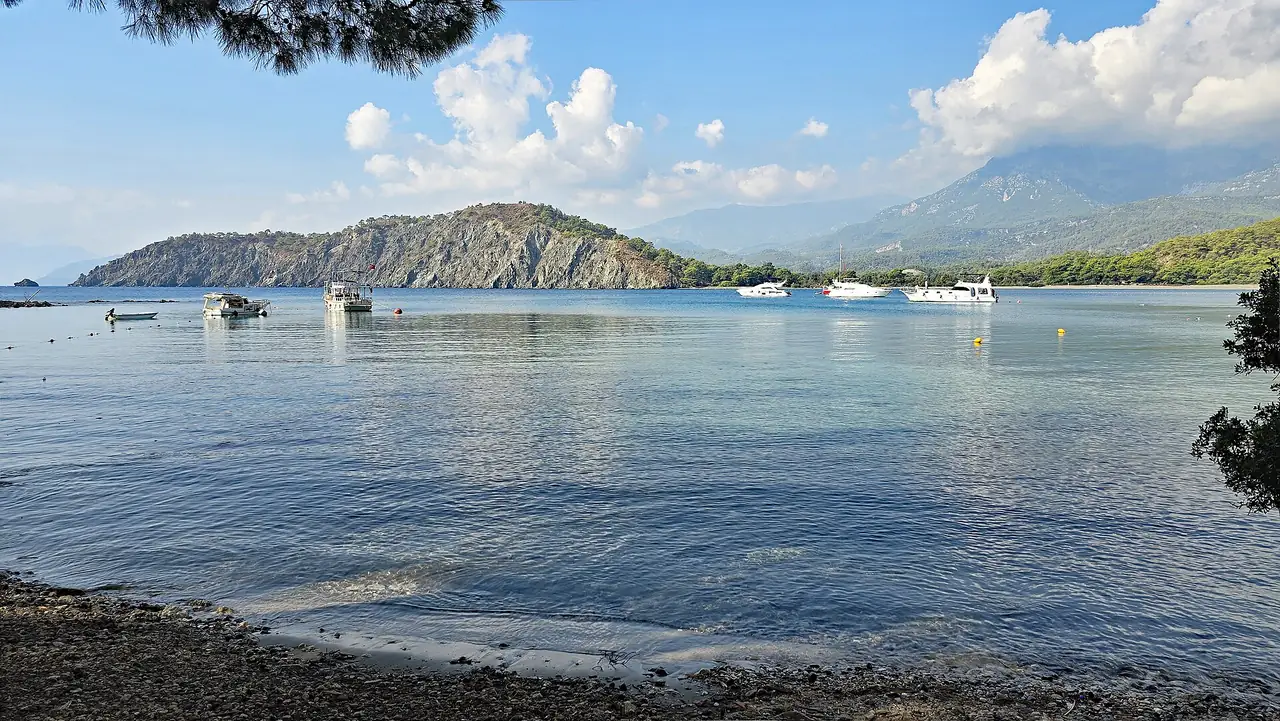
Phaselis is the ancient site you can combine with a swim. The ruins of this old port lie under pine trees on a small headland near Tekirova, south of Kemer, between the bays that were once its harbours. Plan an hour or two of history, then a swim.
What Phaselis was
The Ministry of Culture and Tourism's site page says Phaselis was founded as a port city in the 7th century BC. Sea trade was its main income, and its coins carried images of ships. The city came under Persian rule, then opened its gates to Alexander the Great, who the ministry says stayed for a month. Later it fell to pirates for a time, which is why sea walls run along the shore near the harbours. In the Byzantine period Phaselis was the seat of a bishop. It was abandoned in the early 13th century, like many other towns on this coast.
The ministry also notes that the visible ruins are probably only part of the city, which is believed to have been much larger.
Highlights
- Three harbours. Phaselis had a North Harbour, a Central (or War) Harbour and a South Harbour. The bays are still there, and today they are where people swim.
- The main street. A broad street paved with smooth stone links the South Harbour to the city centre. It is lined with Roman and Byzantine ruins.
- Hadrian's entrance. The ministry says the entrance to the South Harbour was built to honour Emperor Hadrian's visit, and that it is still visible. Antalya's city centre has its own monument from the same visit, Hadrian's Gate.
- The aqueduct. At first the city drew water from wells and cisterns. In Roman times arches brought water from Tahtalı Mountain, and parts of the aqueduct can still be seen.
- Baths, theatre and fountain. There are two Roman baths, one large and one small. The ministry says the small one shows how Roman baths were heated. There is also a theatre and a monumental fountain.
How to get there
Phaselis is in Kemer district, at Tekirova Mahallesi, 8011 Sokak No. 1. Antalya Metropolitan Municipality's beach guide puts it near Tekirova, about 12 km from Kemer. The Highways Directorate (KGM) table gives 44 km by road from Antalya to Kemer. By car, follow the coast road south past Kemer towards Tekirova and look for the Phaselis turn-off. If you are coming by bus, ask the driver for the Phaselis junction and check how far you have to walk from the main road before you set off.
Best time to visit
Spring and autumn are the most comfortable months for walking the site. The pines give real shade, but on a summer afternoon the stone paths still get very hot. In July and August go when the gates open, see the ruins first, then swim before midday. Our Antalya weather by month guide helps you choose.
Tickets and opening hours
When we checked on 9 November 2026, the ministry's page listed Phaselis as open every day from 08:00 to 17:00, with the box office closing at 16:30. It listed the entry fee as €10. Hours often change between summer and winter, so check the official Phaselis page on the day you go rather than relying on a tour leaflet.
Tips
- Bring a swimsuit and shoes for the water. GoTürkiye describes swimming among ruins and pine trees here, and the seabed near old stonework can be uneven.
- Respect turtle closures. The municipality notes that Bostanlık Koyu, a nearby bay, closes in season for sea-turtle nesting. Follow the signs and keep off fenced nests.
- Take water and a snack. The ministry page lists no café, so bring what you need.
- Allow two to three hours if you want to walk the main street, find the aqueduct and swim.
- Don't climb on the walls, and leave any stones or pottery where they are.
What's nearby
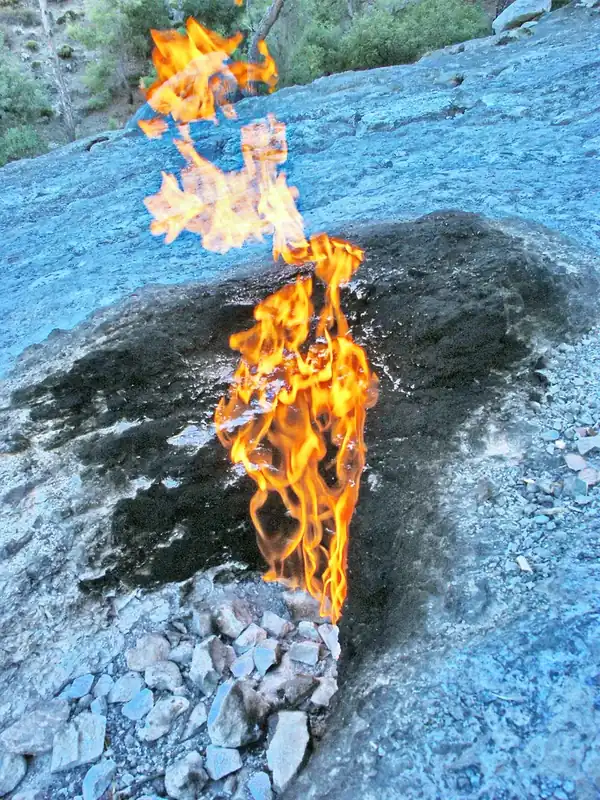
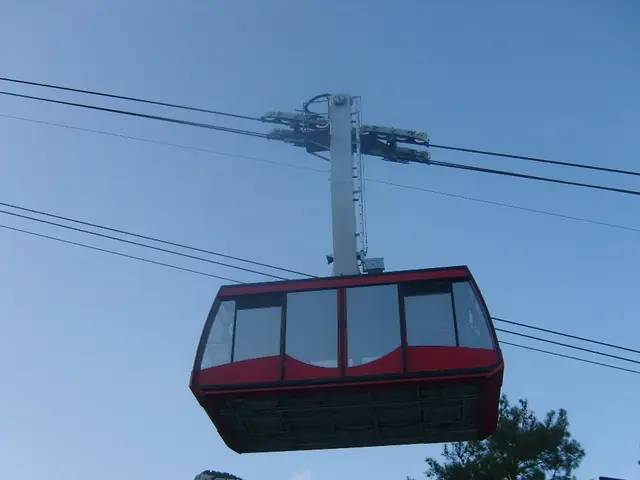
The Tahtalı Olympos cable car runs up Tahtalı Mountain from the Tekirova area, so you can pair the two in a day if the weather is clear. Further south, Olympos and the Chimaera flames make a longer coastal outing. To stay close by, see NG Phaselis Bay, Rixos Premium Tekirova and our other Kemer hotels. The Kemer district guide covers the rest of this coast, and our beaches guide compares Phaselis with the province's other swimming spots.