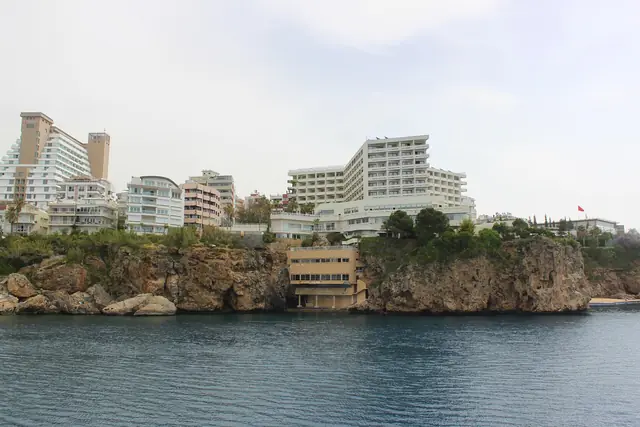

Antalya, located on Turkey’s breathtaking southern coast, is one of the country’s most popular travel destinations, famous for its golden sandy beaches, crystal-clear Mediterranean waters, rich history, and lively culture. The city perfectly blends natural beauty with modern amenities, attracting millions of visitors every year. If you are planning a trip, a common question is: when is the best time to visit Antalya for the most pleasant weather in Antalya? Choosing the right time is key to enjoying everything the city has to offer, from sunbathing on its beaches to exploring ancient ruins or strolling through charming old-town streets. Antalya’s weather changes throughout the year, featuring hot, sunny summers, mild and comfortable winters, and occasional seasonal rainfall. This comprehensive guide will cover Antalya’s climate, sea temperatures, rainfall trends, and seasonal highlights, helping you plan your trip at the perfect time for sightseeing, beach activities, and cultural experiences.
Understanding Antalya’s Climate
Antalya enjoys a typical Mediterranean climate, which means long, hot, and dry summers, and mild, wetter winters. Its location along the Mediterranean coast, combined with the nearby Taurus Mountains, helps create a more stable and pleasant weather in Antalya than many inland areas, with moderated temperatures and refreshing sea breezes.
-
Summers (June to September): These months are hot, sunny, and dry, making them perfect for beach holidays, swimming, and water sports. Daytime temperatures often reach 33°C–36°C (91°F–97°F), while the sea is warm and inviting, ideal for long days at the coast.
-
Winters (December to February): Winters are mild compared to much of Europe, with daytime temperatures ranging from 10°C to 16°C (50°F–61°F). While rainfall is more frequent, it usually comes in short showers, and the weather remains comfortable for sightseeing, nature walks, and exploring historical sites. Snow is extremely rare in the city itself, though the Taurus Mountains may see snow at higher elevations.
-
Spring (March to May) and Autumn (October to November): These shoulder seasons offer pleasant temperatures, fewer tourists, and beautiful natural scenery. Spring brings blooming flowers and lush landscapes, while autumn has warm days, cooler nights, and calmer seas suitable for swimming.
Understanding Antalya’s climate helps travelers plan their visit according to their preferences, whether they’re looking for swimming, outdoor adventures, sightseeing, or a quiet, relaxed holiday. With nearly 300 sunny days per year, Antalya is an attractive destination virtually year-round.
Seasonal Overview of Antalya Weather
To decide the best time to visit, it is helpful to understand Antalya’s seasonal weather patterns, which influence outdoor activities, sightseeing, and beach holidays.
Spring (March to May)
Spring is one of the most beautiful times to visit Antalya. After the cooler winter months, the city begins to warm up, flowers bloom, and the landscapes turn vibrant and green.
-
March: Daytime temperatures range from 15°C to 20°C (59°F–68°F), with occasional light rain. This month is ideal for sightseeing, walking through Kaleiçi Old Town, and exploring historical landmarks.
-
April: Temperatures rise to 18°C–22°C (64°F–72°F). Rain decreases and sunny days increase, making it perfect for outdoor activities, nature walks, and coastal strolls.
-
May: Daytime temperatures reach 22°C–27°C (72°F–81°F). Rainfall is minimal, and the sea starts to warm, allowing early summer swimming and water sports.
Spring is excellent for travelers who want mild weather, fewer tourists, and comfortable conditions to explore both the city and the surrounding natural attractions.
Summer (June to September)
Summer is Antalya’s peak tourist season, famous for sunny beaches, warm Mediterranean waters, and a lively atmosphere.
-
June: Daytime temperatures range from 25°C to 30°C (77°F–86°F). Rainfall is nearly nonexistent, and the sea is ideal for swimming, snorkeling, and boating.
-
July: The hottest month, with temperatures often reaching 32°C–35°C (90°F–95°F). Beaches and resorts are busy, and long sunny days make it perfect for beach holidays.
-
August: Similar to July, with very little rain and excellent conditions for water sports, sunbathing, and outdoor excursions.
-
September: Early September remains warm (28°C–32°C / 82°F–90°F), while late September brings slightly cooler, more comfortable weather for sightseeing and hiking.
Summer is ideal for travelers who prioritize swimming, sunbathing, and coastal activities, though it is also the busiest season with higher hotel prices.
Autumn (October to November)
Autumn is a transitional season, combining pleasant weather with fewer tourists. While the city remains warm, rainfall gradually increases.
-
October: Daytime temperatures are 23°C–28°C (73°F–82°F). Early October still allows swimming, and rainy days are typically short. Sightseeing, cultural tours, and outdoor walks are very enjoyable.
-
November: Temperatures drop to 17°C–22°C (63°F–72°F), and rain becomes more frequent. Despite this, many sunny days remain, making it perfect for travelers who want a quiet, off-season experience.
Autumn is excellent for those seeking mild weather, fewer crowds, and lush natural landscapes after early autumn rains.
Winter (December to February)
Winter is the wettest season, but temperatures remain mild compared to Europe, allowing for comfortable travel.
-
December: Daytime temperatures range from 15°C–18°C (59°F–64°F), with occasional showers. Snow is rare in the city but may appear in the nearby Taurus Mountains.
-
January: The coldest month, with temperatures of 12°C–16°C (54°F–61°F). Rainfall peaks, but sunny intervals are frequent.
-
February: Temperatures rise slightly to 14°C–18°C (57°F–64°F), and rain begins to decrease.
Winter in Antalya is ideal for cultural tourism, museum visits, hiking, and exploring historical sites. While swimming in the sea is less comfortable during this season, heated pools and indoor attractions allow visitors to enjoy the city year-round.
Overall, understanding the weather in Antalya helps travelers choose the right time to visit, whether they prioritize swimming, sightseeing, outdoor adventures, or a peaceful, quiet holiday. With its mild winters, hot summers, and vibrant shoulder seasons, Antalya remains an attractive destination throughout the year.

Sea Temperature and Swimming in Antalya
For many tourists, sea temperature and swimming conditions are a major factor when choosing the best time to visit Antalya. The Mediterranean waters along the Antalya coast change significantly with the seasons:
-
Spring (March to May): Sea temperatures start cooler, ranging from 17°C–22°C (63°F–72°F). Swimming becomes more comfortable by May, as the water gradually warms. Early spring is better suited for short dips or water activities with wetsuits.
-
Summer (June to September): The sea is at its warmest and most inviting, with temperatures from 25°C–29°C (77°F–84°F). These months are ideal for swimming, snorkeling, diving, paddleboarding, and other water sports. The calm, sunny conditions make the Mediterranean perfect for long hours in the water.
-
Autumn (October to November): Early autumn offers pleasant swimming conditions, with the sea at 20°C–26°C (68°F–79°F). By November, the water becomes cooler, and while short dips are still possible, most visitors prefer heated pools or indoor swimming facilities.
-
Winter (December to February): The sea cools further to 16°C–18°C (61°F–65°F). Swimming is only comfortable for brief dips, and a wetsuit is recommended for those who wish to enter the water. Many tourists rely on heated pools or hotel facilities during winter.
Overall, late spring to early autumn (May to September) is the best period for beach activities and swimming in Antalya. During this time, air temperatures, sunshine, and sea conditions combine to create ideal conditions for enjoying the Mediterranean coast.
Rainfall Patterns in Antalya
Understanding Antalya’s rain patterns is important for planning trips, especially if you want to enjoy sightseeing, outdoor activities, and beach time. The city’s rainfall varies with the seasons:
-
Winter (December to February): This is Antalya’s wettest season, but most rain comes as short showers rather than long, continuous rain. Even during winter, sunny intervals are frequent, allowing plenty of time for walking, sightseeing, and outdoor exploration.
-
Spring (March to May): Rainfall gradually decreases. March may see occasional showers, but by April and May, most days are dry and sunny. This makes spring perfect for nature walks, exploring historical sites, and early-season swimming.
-
Summer (June to September): Rain is very rare, with long stretches of dry, sunny weather. These months are ideal for beach holidays, water sports, hiking, and outdoor adventures.
-
Autumn (October to November): Rain gradually increases, but showers are usually brief and do not interfere with travel plans. Many days remain sunny, making autumn an excellent time for relaxed sightseeing and outdoor activities.
Even during the wetter months, Antalya enjoys around 300 sunny days per year, making it a reliable destination for outdoor travel nearly all year round.
Best Times to Visit Antalya for Different Travel Goals
The ideal time to visit Antalya depends on your travel priorities and the type of experience you want:
-
For Beach Holidays and Swimming:
The period from late May to September is perfect for beach lovers. During these months, the air is warm, the sun is strong, and the sea is comfortably warm, making swimming, sunbathing, snorkeling, and other water activities highly enjoyable. Summer months provide long sunny days, calm seas, and ideal conditions for full beach holidays. -
For Sightseeing and Cultural Travel:
April, May, and October are excellent months for travelers who want to explore Antalya’s historical sites, museums, and local culture. The weather is mild, there are fewer tourists, and sunny days are common, making walking through Kaleiçi Old Town, visiting ancient ruins, and enjoying local markets comfortable and relaxing. Shoulder seasons also allow travelers to capture beautiful landscapes and photographs without the summer crowds. -
For Budget Travel and Peaceful Visits:
Winter months (December to February) are ideal for travelers seeking lower prices, quieter attractions, and a more authentic experience. Despite occasional rain, the temperatures remain mild compared to many European destinations, allowing for comfortable sightseeing, city walks, and nature exploration. Hotels and tours are less crowded, offering better value and a more relaxed holiday atmosphere.
By understanding Antalya’s weather patterns, sea temperatures, and seasonal advantages, travelers can choose the perfect time to visit based on whether they prioritize beach activities, sightseeing, or a peaceful, budget-friendly trip.
Activities in Antalya by Season
Antalya offers a wide range of activities for travelers in every season, ensuring there is something for everyone, whether you enjoy beaches, nature, culture, or indoor experiences.
-
Spring (March to May): This season is perfect for sightseeing, nature walks, light hiking, and photography. The city and surrounding landscapes are vibrant and green after spring rains, with blooming flowers and pleasant temperatures making outdoor exploration comfortable and enjoyable.
-
Summer (June to September): Summer is ideal for beach activities, swimming, snorkeling, water sports, boat trips, and seaside dining. Long sunny days, warm sea temperatures, and calm coastal waters make it perfect for spending time on the beach or exploring Antalya’s coastline.
-
Autumn (October to November): Autumn is great for cultural tours, sightseeing, nature exploration, and early-season swimming. The weather remains mild, tourist crowds are smaller, and the natural scenery is still beautiful, offering relaxed opportunities for photography, hiking, and exploring historical sites.
-
Winter (December to February): Winter allows visitors to focus on historical tours, museums, hiking, indoor attractions, and enjoying local cuisine. Despite occasional rain, temperatures remain mild compared to many European destinations, allowing comfortable city walks and cultural experiences.
Overall, Antalya’s mild climate, sunny days, and diverse landscapes make it a destination where both outdoor and indoor experiences can be enjoyed year-round, catering to travelers with different interests and seasonal preferences.

Packing Tips Based on Antalya Weather
Smart Packing for Antalya: What to Bring Each Season
Packing appropriately is essential to enjoying Antalya comfortably, no matter the season. The city’s climate varies throughout the year, so travelers should prepare for both weather and activities:
-
Spring and Autumn (March–May, October–November): Pack light layers for daytime warmth, a jacket or sweater for cooler evenings, and comfortable shoes for walking and sightseeing. A raincoat or small umbrella is useful for occasional showers, especially in early spring or late autumn.
-
Summer (June–September): Bring light, breathable clothing to stay cool in the hot sun. Don’t forget sunglasses, sunblock, hats, and swimwear for beach days, swimming, and water sports. Comfortable sandals or walking shoes are also recommended for exploring historical sites and city streets.
-
Winter (December–February): Even though Antalya winters are mild compared to Europe, it’s wise to pack warm layers, cozy clothing for evenings, and a waterproof jacket or umbrella for rainy days. Waterproof shoes are useful for exploring outdoor attractions, and casual indoor clothing will keep you comfortable during cultural visits or museum tours.
By packing smartly according to the season, travelers can fully enjoy all of Antalya’s activities, from sightseeing and hiking to swimming and cultural experiences, without being affected by weather conditions.
Additional Travel Tips
To make the most of your trip to Antalya, it’s helpful to keep a few practical tips in mind:
-
Check Daily Weather Forecasts: Antalya’s weather can change quickly, especially in spring and autumn. Reviewing the daily forecast helps you plan sightseeing, beach trips, and outdoor activities more effectively.
-
Plan Activities Around Temperature: During summer, avoid the midday heat when temperatures are highest. The early morning and late afternoon are ideal for walking tours, hiking, or exploring historical sites. In cooler months, plan outdoor activities during the sunniest parts of the day for maximum comfort.
-
Book Hotels in Advance for Summer: June to August is peak tourist season, so hotels and resorts can fill up quickly. Booking in advance ensures better availability, competitive prices, and preferred room choices.
-
Travel Off-Season for Savings: Winter and shoulder seasons like spring and autumn offer lower hotel rates, fewer crowds, and more relaxed sightseeing. This is ideal for travelers who want a quieter, budget-friendly experience while still enjoying Antalya’s attractions and mild climate.
By following these tips, visitors can maximize comfort, avoid inconveniences, and enjoy all that Antalya has to offer, regardless of the season.
Conclusion – The Best Time to Visit Antalya
For swimming and beach holidays, Late May to September is perfect. During these months, the sea is warm, the sun is strong, and the beaches are inviting, making water activities and sunbathing highly enjoyable.
For sightseeing, cultural tours, and nature exploration: April, May, or October are excellent choices. The weather in Antalya is mild, the landscapes are vibrant, and tourist crowds are smaller, allowing for comfortable exploration of historical sites, natural parks, and scenic areas.
For budget-friendly travel and peaceful holidays, the winter months (December–February) are ideal. Prices for hotels and tours are lower, attractions are quieter, and Antalya’s mild winter climate makes city walks, hiking, and cultural experiences still enjoyable despite occasional rain.
Antalya’s Mediterranean climate ensures warm summers, mild winters, and abundant sunshine year-round. By understanding the weather in Antalya, sea conditions, rainfall trends, and seasonal activities, travelers can plan a visit that perfectly suits their needs. No matter the season, Antalya offers a unique combination of natural beauty, rich history, vibrant culture, and Mediterranean charm, making it one of the most rewarding destinations in Turkey. With smart planning and seasonal awareness, every visit can be comfortable, enjoyable, and truly unforgettable.