Turkey is a country full of diverse landscapes, rich culture, and varying climates. Two of its most popular cities, Antalya and Istanbul, attract millions of tourists each year, but for very different reasons. Istanbul, a bustling metropolis straddling Europe and Asia, is famous for its history, architecture, and vibrant city life, while Antalya is a coastal paradise on the Mediterranean, celebrated for its stunning beaches, warm climate, and natural beauty. Many travelers often wonder: Is the weather in Antalya, Turkey, better than in Istanbul? The answer depends on the type of holiday you are planning, the season of your visit, and your tolerance for heat, humidity, and rainfall. Antalya is known for hot, sunny summers and mild winters, making it ideal for beach vacations and outdoor activities, whereas Istanbul experiences more rainfall, cooler winters, and a mix of hot and humid summers, which can affect sightseeing comfort. In this article, we will compare Antalya and Istanbul in detail, looking at climate patterns, seasonal temperatures, rainfall, and overall traveler comfort, so you can decide which city suits your travel preferences best.
Understanding Antalya and Istanbul Climates
Antalya and Istanbul have very different climates because of their locations. Antalya is situated on Turkey’s southwestern coast along the Mediterranean Sea, giving it a classic Mediterranean climate with long, hot, dry summers and mild, wetter winters. In contrast, Istanbul, located in the northwest near the Sea of Marmara, experiences a temperate oceanic climate, featuring hot, humid summers and cold, wet winters.
When comparing Antalya's weather with Istanbul's, it’s helpful to consider three key factors:
-
Temperature: Antalya generally has higher summer temperatures but milder winters, while Istanbul can be cooler in winter and sometimes uncomfortably humid in summer.
-
Humidity: Istanbul tends to be more humid year-round, which can make summer heat feel stronger and winter damp chillier. Antalya, by contrast, has moderate humidity, making its hot summers feel more manageable and its winters more pleasant.
-
Rainfall: Antalya experiences most of its rainfall during winter, while summer is almost entirely dry. Istanbul, however, receives more evenly distributed rain throughout the year, which can affect sightseeing and outdoor activities.
Understanding these differences helps travelers choose the city and season that best fits their preferences, whether they want hot sunny beaches in Antalya or a mix of culture and seasonal variety in Istanbul.
Summer Weather: Antalya vs Istanbul
Summer is the peak tourist season in both Antalya and Istanbul, but the experiences in the two cities are very different due to their climates.
Antalya: From June to August, Antalya enjoys hot, dry weather. Daytime temperatures often reach 30–36°C (86–97°F), while nights remain warm around 22–25°C (72–77°F). Sunshine is abundant, and rainfall is minimal. The Mediterranean breeze helps make the heat more comfortable, allowing visitors to enjoy beach holidays, water sports, and outdoor sightseeing without feeling overheated. The sea is warm, perfect for swimming and other coastal activities.
Istanbul: Summers in Istanbul are warm but more humid, which can make the temperatures feel higher than they actually are. Daytime highs are usually 28–32°C (82–90°F), and occasional rain can occur. The city’s dense urban environment can create a “heat island” effect, making walking tours and outdoor activities feel less comfortable compared to Antalya. Swimming and sunbathing are less appealing here because Istanbul lacks the warm, accessible beaches of the Mediterranean coast.
Traveler Insight: For travelers seeking a classic summer beach holiday or outdoor adventures, Antalya’s dry heat and coastal breeze make it much more enjoyable. Istanbul is better suited for city exploration, cultural sightseeing, and indoor breaks in air-conditioned cafes or museums. However, it is not ideal for those prioritizing swimming, sunbathing, or long hours outdoors.
Winter Weather: Antalya vs Istanbul
Winter is the low tourist season in both Antalya and Istanbul, but the two cities offer very different experiences due to their climates.
Antalya: Winters are mild and comfortable, with daytime temperatures typically around 12–16°C (54–61°F) and nighttime lows rarely falling below 6–8°C (43–46°F). Rainfall increases compared to summer, but snow is extremely rare. The mild weather makes Antalya ideal for sightseeing, hiking, and exploring cultural attractions without the summer crowds. Beaches are quiet, and coastal walks remain pleasant even in winter.
Istanbul: Winters in Istanbul are colder and wetter, with daytime highs around 7–12°C (45–54°F) and nighttime temperatures often dropping to 2–5°C (36–41°F). Rain is frequent, and snow occasionally occurs, which can make outdoor sightseeing more challenging. Higher humidity often adds a damp chill, making the city feel colder than the thermometer suggests.
Traveler Insight: For travelers seeking mild winter weather, fewer crowds, and comfortable outdoor activities, Antalya is the more appealing option. Istanbul, on the other hand, is better suited for those who enjoy a winter city atmosphere, holiday decorations, and indoor cultural attractions like museums and historic cafés.
Spring Weather: Antalya vs Istanbul
Spring is one of the best times to visit Turkey, offering mild temperatures, blooming landscapes, and enjoyable outdoor activities. Both Antalya and Istanbul have unique advantages during this season.
Antalya: From March to May, the weather gradually warms up. Daytime temperatures range from 15–27°C (59–81°F), while nights remain cooler. Rainfall decreases as spring progresses, making it ideal for outdoor sightseeing, light hiking, and early beach activities. The city comes alive with flowers and greenery, and the Mediterranean Sea starts warming, allowing swimming by May. Spring in Antalya provides a perfect combination of pleasant weather, natural beauty, and fewer crowds.
Istanbul: Spring in Istanbul (March–May) is generally pleasant, with temperatures between 15–25°C (59–77°F). Rain is more frequent than in Antalya, and windy days can make it feel cooler. However, Istanbul’s parks, historic streets, and Bosphorus views are especially charming during spring. Outdoor activities are very enjoyable, though layered clothing is recommended due to fluctuating temperatures.
Traveler Insight: For those seeking warmer, sunnier weather and minimal rainfall, Antalya is the better choice. Istanbul is ideal for travelers focused on cultural exploration, city sightseeing, and photography, but spring weather can be less predictable and requires some preparation.
Autumn Weather: Antalya vs Istanbul
Autumn is a wonderful time to visit Turkey, offering comfortable temperatures, fewer crowds, and scenic landscapes. Both Antalya and Istanbul have unique advantages during this season.
Antalya: From September to November, Antalya remains warm and pleasant. Daytime temperatures typically range from 18–31°C (64–88°F), with nights cooler but still comfortable. The Mediterranean Sea stays warm for swimming until late October, making beach activities possible well into the season. Rainfall gradually increases in November, but coastal breezes and mostly sunny days create ideal conditions for both beach holidays and city sightseeing. Autumn in Antalya allows travelers to enjoy relaxation, outdoor activities, and sightseeing without the summer crowds.
Istanbul: Autumn in Istanbul is cooler and wetter compared to Antalya. Temperatures range from 15–25°C (59–77°F) in September to 10–18°C (50–64°F) in November. Rain becomes more frequent, and windy days along the Bosphorus can make it feel colder than the thermometer suggests. Despite this, early autumn is especially beautiful, with fall foliage, mild temperatures, and charming streets that are perfect for sightseeing, walking tours, and city photography.
Traveler Insight: For travelers seeking mild, sunny weather suitable for both beach and sightseeing, Antalya is the more favorable destination. Istanbul still provides a pleasant urban experience, ideal for cultural exploration and city walks, but outdoor activities may sometimes be affected by rain and wind, requiring flexible planning.
Rainfall Comparison: Antalya vs Istanbul
Rainfall is an important factor to consider when planning a trip, as it can affect sightseeing, outdoor activities, and general comfort.
Antalya: Rain in Antalya is mostly limited to the winter months (December–February) and is generally light. Summer and early autumn are extremely dry, making outdoor activities and beach visits very reliable. The city enjoys over 300 days of sunshine per year, which ensures that most of the year is suitable for swimming, sightseeing, hiking, and exploring natural landscapes without disruption.
Istanbul: Rain in Istanbul is more evenly distributed throughout the year, with the heaviest precipitation occurring during autumn and winter. Higher humidity levels make winters feel colder and damp, while summers can feel warmer than the actual temperature. Travelers need to be prepared for sudden showers, wet days, and occasional indoor adjustments during sightseeing.
Traveler Insight: Antalya’s lower rainfall, drier climate, and abundant sunshine make it a more predictable and convenient destination for travelers, especially those planning beach holidays or outdoor activities. Istanbul remains appealing for cultural exploration and city sightseeing, but visitors should plan for weather variability and occasional rain interruptions.
Sea and Beach Experience
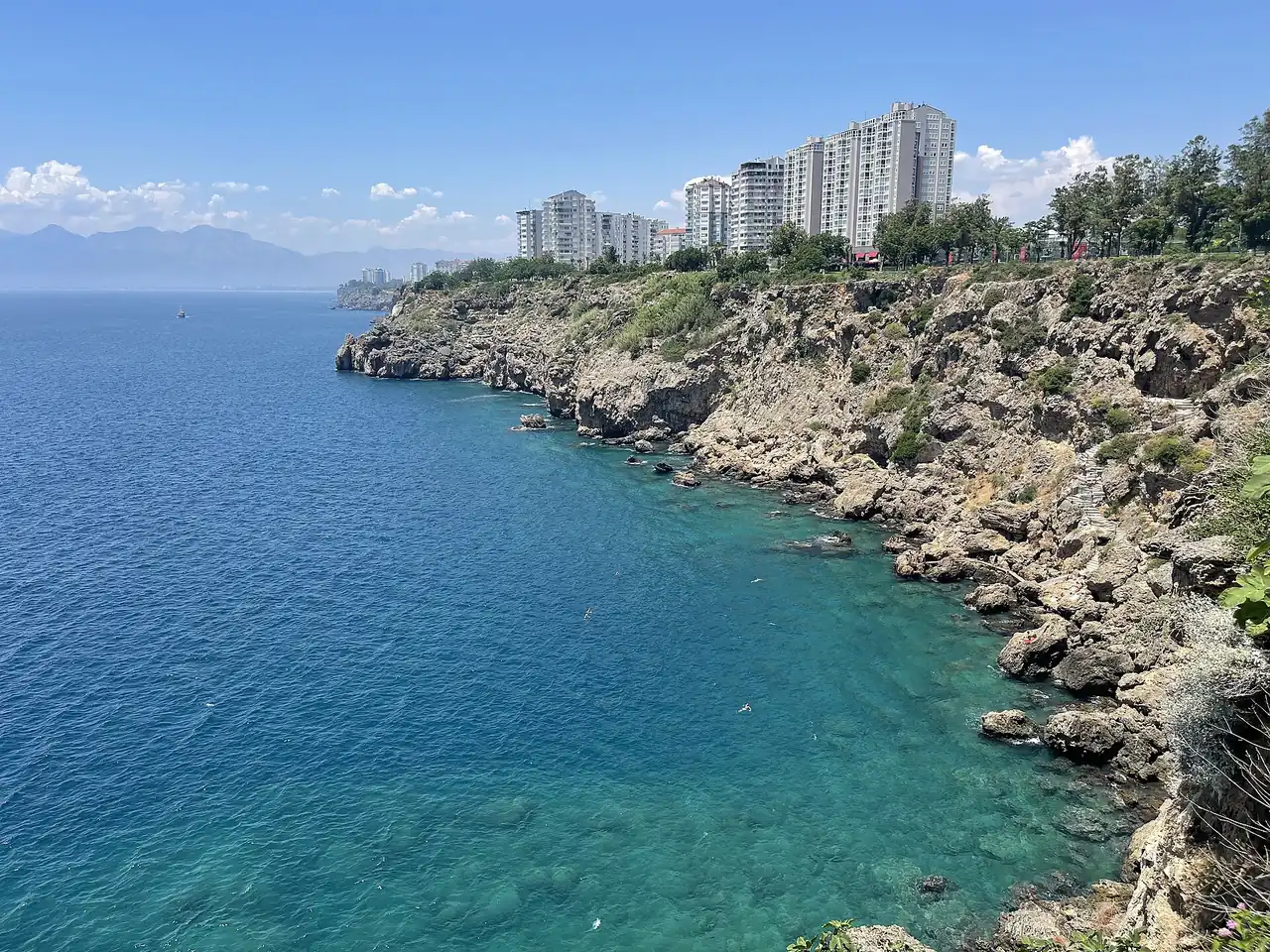
One of Antalya’s greatest advantages is its Mediterranean coastline, which offers ideal conditions for swimming, sunbathing, and water sports. During summer months, sea temperatures range from 24–28°C (75–82°F), making the water comfortably warm for long swims, snorkeling, paddleboarding, and sailing. Popular beaches such as Lara Beach and Konyaaltı Beach are well-maintained, easily accessible, and less crowded outside the peak months, providing both relaxation and scenic beauty.
In contrast, Istanbul is located along the Bosphorus and the Sea of Marmara, where the water remains cooler for most of the year. Swimming is possible only on rare warm days, and beaches are limited. Water-based activities like boating or beach sports are less extensive, and crowded city beaches can feel more urban than relaxing.
Traveler Insight: For travelers who prioritize beach time, water sports, and warm sea swimming, Antalya clearly offers a superior coastal experience. Istanbul is better suited for cultural exploration, city sightseeing, and waterfront views, but it cannot match Antalya’s Mediterranean beach charm.
Temperature Overview: Antalya vs Istanbul
Looking at average temperatures helps travelers understand comfort levels during different seasons.
Summer (July):
-
Antalya: Daytime temperatures range from 30–36°C (86–97°F), with warm nights and low humidity, making the heat more manageable. The coastal breeze and abundant sunshine make it ideal for beach activities, swimming, and sightseeing.
-
Istanbul: Daytime temperatures are slightly cooler, around 28–32°C (82–90°F), but high humidity can make it feel hotter and stickier. Occasional rain showers may also interrupt outdoor activities.
Winter (January):
-
Antalya: Winters are mild, with daytime temperatures of 12–16°C (54–61°F) and occasional rain. These conditions are perfect for sightseeing, walking along beaches, and exploring local culture.
-
Istanbul: Winters are colder and wetter, with temperatures around 7–12°C (45–54°F) and occasional snow. The combination of dampness and chill makes outdoor activities less comfortable.
Traveler Insight: While Istanbul’s summer temperatures are slightly lower, the high humidity can make it feel uncomfortable. Antalya’s hot but dry summers are easier to enjoy, especially for seaside activities. In winter, Antalya provides more comfortable conditions for sightseeing and outdoor exploration, whereas Istanbul can feel cold and wet.
Seasonal Recommendations for Travelers
-
Summer Travelers: Choose Antalya if your focus is on beaches, warm sea swimming, and outdoor activities. The city offers dry, sunny days and a refreshing Mediterranean breeze, making seaside holidays very enjoyable. Istanbul, on the other hand, is better suited for indoor cultural experiences, such as visiting museums, historic sites, and enjoying cafés, because summer humidity can make outdoor sightseeing less comfortable.
-
Winter Travelers: Antalya provides mild winter temperatures that are perfect for sightseeing, exploring historical landmarks, and walking along coastal areas. The city is quieter, and prices are lower, making it ideal for travelers seeking a peaceful winter escape. Istanbul is colder and wetter, with occasional snow, but offers a charming winter city atmosphere, festive events, and cozy indoor cultural activities.
-
Spring and Autumn Travelers: Antalya shines during spring (March–May) and autumn (September–November), offering sunny, warm weather ideal for a mix of beach time and sightseeing, with fewer crowds than in summer. Istanbul is pleasant during these seasons but requires preparation for cooler temperatures, occasional rain, and windy days, especially for outdoor sightseeing.
Practical Tips for Enjoying Antalya and Istanbul
-
Check Weather Forecasts: Always look at the daily weather forecast for Antalya or Istanbul before traveling. This helps you pack the right clothing and plan activities according to the expected temperatures, rain, and sea conditions.
-
Packing for Summer in Antalya: Bring light, breathable clothing, a hat or cap, sunglasses, and sunscreen to stay cool and protected from the strong Mediterranean sun. Swimwear is essential for beach and water activities.
-
Packing for Istanbul: Prepare for variable weather by packing layers, a light jacket, and a raincoat or umbrella, as summer humidity, occasional showers, and cooler spring or autumn days are common.
-
Consider Your Travel Style: Decide whether your trip will be beach-focused or city-focused. Antalya is ideal for seaside holidays and water sports, while Istanbul is better for cultural exploration, historic sightseeing, and indoor activities.
-
Timing Outdoor Activities: In both cities during hot summer months, plan sightseeing, walks, and outdoor adventures in the early morning or late afternoon to avoid midday heat. This ensures comfort while exploring.
Conclusion
When comparing the weather in Antalya, Turkey and Istanbul, Antalya generally offers more comfortable conditions for travelers. Summers are hot but dry and perfect for beach activities, while winters are mild and suitable for sightseeing. The Mediterranean climate ensures long sunny days and fewer disruptions from rain. Istanbul, while beautiful and culturally rich, has a more humid climate with cooler winters, wetter autumns, and hot, sticky summers. Travelers who prioritize outdoor comfort, beach holidays, or predictable sunny weather will likely find Antalya superior. Ultimately, the choice depends on your travel preferences. If you want sunny beaches, warm seas, and mild winters, Antalya is ideal. If your focus is cultural sightseeing, historic streets, and city exploration, Istanbul is excellent, but be prepared for a more variable climate. For anyone planning a trip, understanding the weather in Antaly, Turkey, compared to Istanbul ensures better packing, smarter planning, and a more enjoyable travel experience. Antalya stands out as a top choice for comfort, sun, and relaxation throughout most of the year.