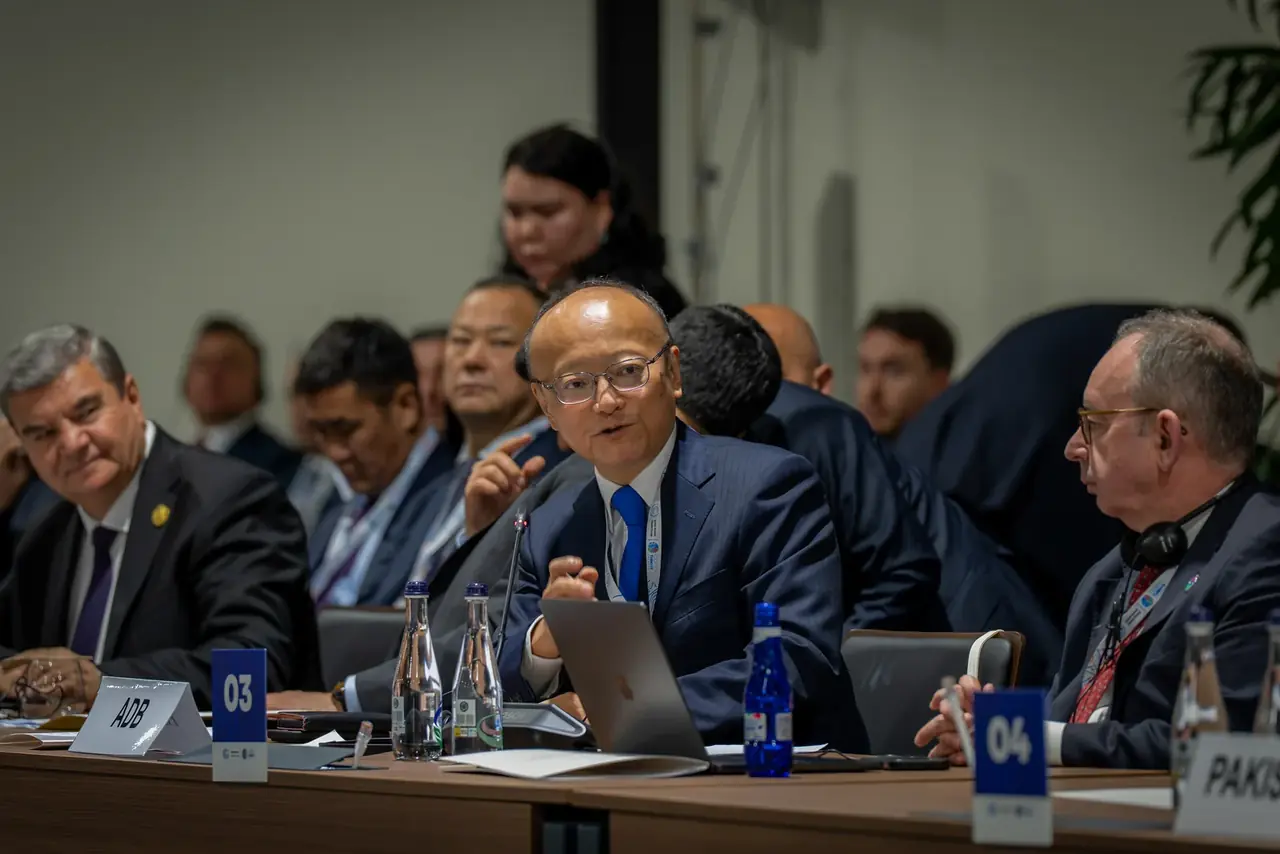
Antalya hosted a COP31 discussion on an issue that starts far from the Mediterranean. At the Mountain Agenda session on 12 November 2026, Asian Development Bank (ADB) President Masato Kanda described how changes in mountain glaciers affect water supplies, agriculture and flood risk downstream.
A financing target, not money already raised
Kanda highlighted ADB’s Glaciers to Farms programme, which aims to mobilise $3.5 billion for measures that include safeguarding water supplies and helping farmers adapt. That figure is a programme target, not an announcement that the full amount was raised at COP31. The ADB also said it is helping Nepal and Bhutan design flood early-warning systems for mountain communities.
What the Antalya session illustrated
Water storage and flood risk are linked. Water released from snow and ice helps feed rivers used for farming and drinking water. A sudden release from a glacial lake, by contrast, can threaten people downstream. Kanda’s remarks put investment in water security alongside faster warnings for communities exposed to floods. The session treated those as regional questions because river basins extend beyond national borders.
This session has ended. For the wider conference and its public programme, see COP31 in Antalya.
Source: Asian Development Bank’s transcript of the 12 November Mountain Agenda session. Photo credit and reuse terms accompany the image.
For other subjects discussed in the city, see COP31 city events and the Tourism and Cultural Heritage Day listing.