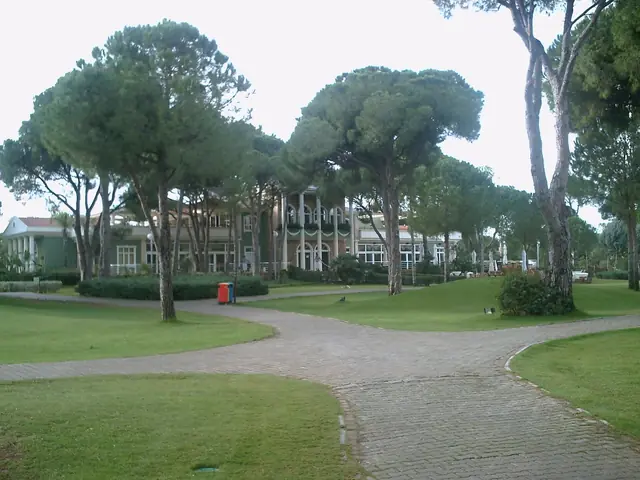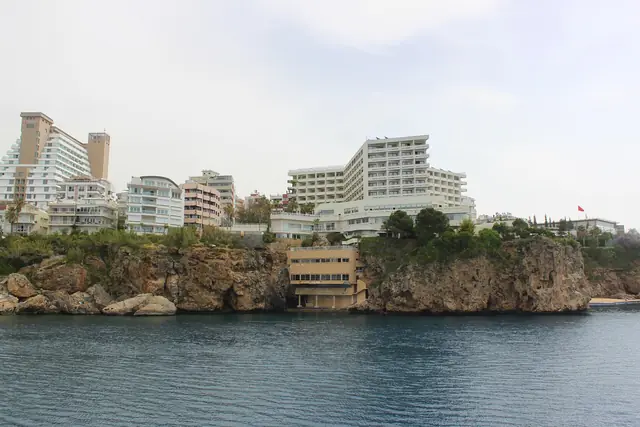
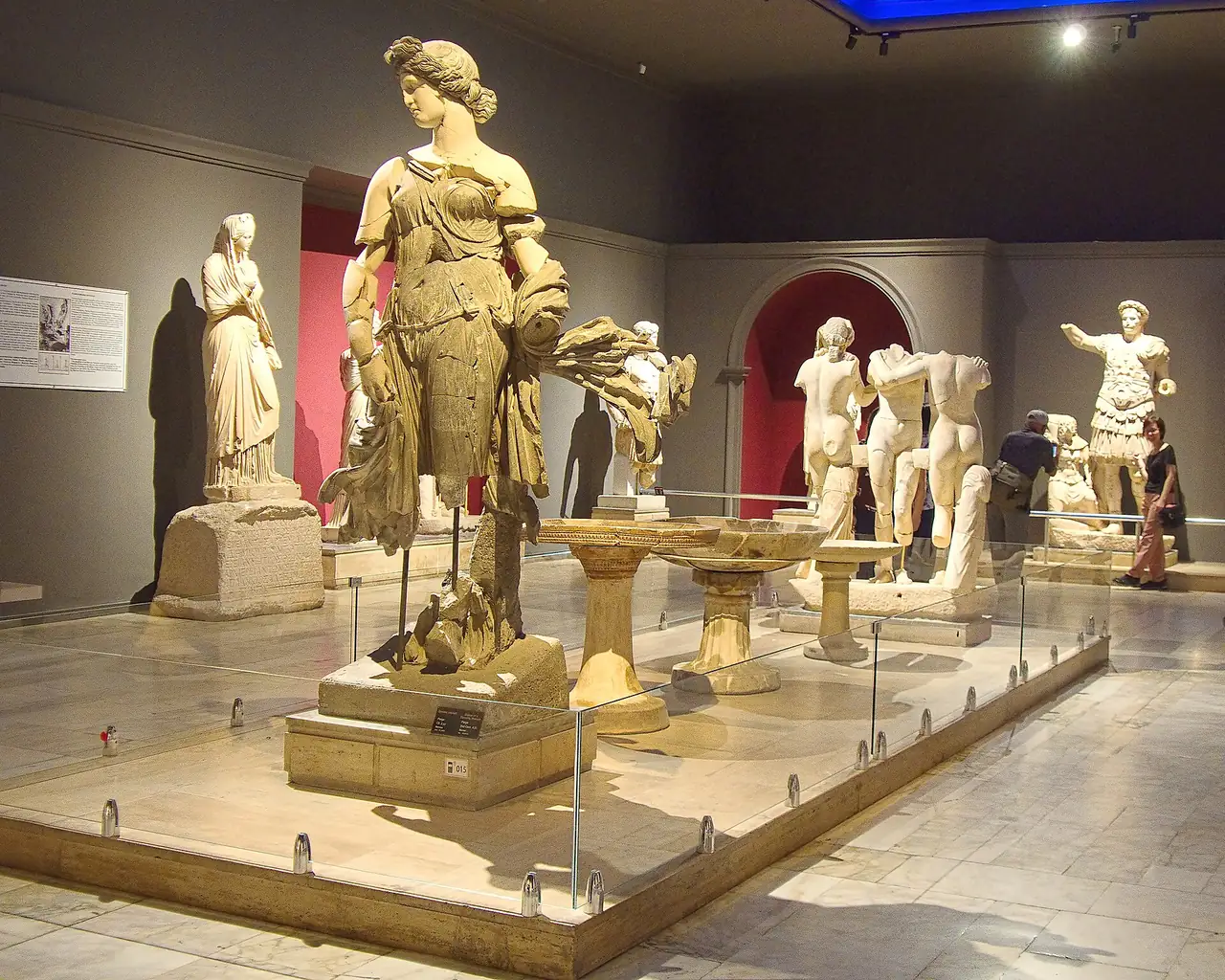
Antalya is one of Turkey’s most famous cities. It is known around the world for its beautiful coastlines, sunny weather, and rich cultural life. But behind all these great features lies a very long and interesting story. Understanding the history of Antalya helps us see why this city has been important for many people for thousands of years. Antalya stands on the southwest coast of Turkey along the Mediterranean Sea. Its location made it a very special place for trade, travel, and culture through different periods of time. People from many civilizations came here, lived here, and left marks that still remain today. The history of Antalya is deep and full of important events that shaped not only this city but the surrounding region as well. In this article, we will explore the history of Antalya from ancient times until the present. The article explains each period in simple words so that everyone can understand how the city changed and grew over time.
Where Is Antalya, and Why Location Matters
Before we begin the timeline of the history of Antalya, it is useful to understand why its location is so significant. Antalya sits on the southern coast of Turkey, facing the Mediterranean Sea, with the towering Taurus Mountains behind it. This strategic position offered several advantages:
-
Natural Protection: The mountains provided defense against invasions and helped settlers feel secure.
-
Access for Trade: Its coastal location allowed easy access for ships, making Antalya an important hub for sea trade.
-
Fertile Lands and Climate: The region’s mild Mediterranean climate and fertile lands supported agriculture and settlement.
-
Scenic Beauty: The combination of sea and mountains created stunning landscapes that attracted people to live and trade there.
For centuries, these factors made Antalya a preferred settlement. The city became a meeting point for different cultures, languages, and traditions. This is why the history of Antalya is not just local history—it is a story connected to many civilizations around the Mediterranean, reflecting a rich blend of influences from the Romans, Byzantines, Seljuks, Ottomans, and more.
Early Settlers and Ancient Beginnings
The earliest known history of Antalya goes back thousands of years. Before written records, people lived in this area as farmers and fishermen. Archaeological research shows that the region was active long before the Common Era (B.C.).The first major civilization to rise in this area was the Lycians. The Lycians were known in the ancient world for their unique culture and strong city-states. They built towns and traded goods with neighbors. The Lycians used stone for building and made strong communities based on cooperation. Later, parts of the Antalya region became connected with the Pamphylian people. The Pamphylians lived closer to the coast and shared many cultural traditions with the Lycians and other groups. Despite the presence of these early groups, the city we know today as Antalya had not yet been founded. That important moment came at the beginning of the Classical era.
The Founding of Antalya — A City with a Name
The modern city of Antalya was founded in 150 B.C. by King Attalus II of Pergamon, a ruler from a powerful kingdom in western Asia Minor. He named the city Attaleia after himself. The name changed over time and eventually became Antalya, as we know it today. At this time, the city was very important because it was close to the sea and served as a port for trade ships. The harbor was protected by natural bays and hills, meaning it was safe for ships to dock even during bad weather. The establishment of Attaleia marked the beginning of urban development. City walls were built, houses were constructed, and public buildings were created. The early city became strong, connected to trade routes, and open to many ideas and cultures. This part of the history of Antalya shows how the city first became a known center in the Mediterranean world.
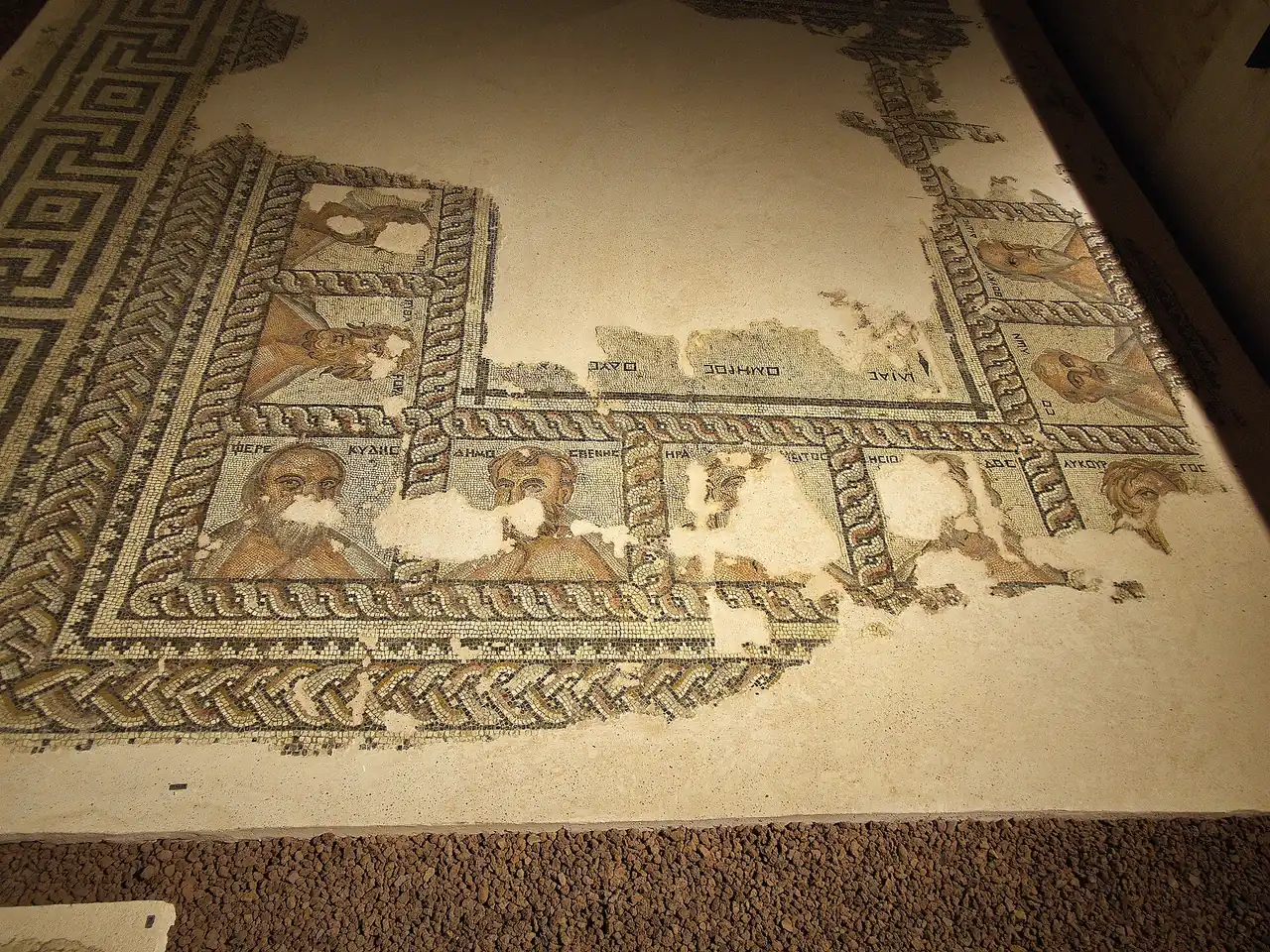
Roman and Byzantine Rule — A Time of Stability
Soon after its founding, the Antalya region came under the control of the Roman Empire. The Romans were well-known for their strong governance, building durable roads, bridges, and organized city systems throughout their territories. During this period, Antalya—then called Attaleia—became increasingly connected with major cities across the empire.
The city experienced significant growth under Roman rule:
-
Public Buildings and Markets: Forums, marketplaces, and civic buildings were constructed, providing spaces for trade and community life.
-
Defense Systems: City walls and fortifications were reinforced to protect inhabitants and trade routes.
-
Trade Expansion: With peace and law enforcement, commerce flourished, and Antalya’s harbor became an important hub for merchants traveling between the East and West.
The Romans appreciated Antalya not only for its strategic harbor but also for its fertile surroundings and scenic beauty. This era brought stability, allowing residents to focus on trade, culture, and everyday life.
After the fall of the Western Roman Empire, Antalya came under the control of the Eastern Roman Empire, known as the Byzantine Empire. Byzantine rule lasted for many centuries and added new layers to the city’s landscape, including churches, administrative buildings, and urban infrastructure.
Throughout both Roman and Byzantine periods, Antalya was an integral part of the Mediterranean world. People of diverse backgrounds lived, worked, and traded together, forming a multicultural environment. This era of Antalya’s history is crucial because it laid the foundation for the city’s rich cultural identity, which still resonates today.
The Arrival of the Seljuks and a New Era
In the 11th century A.D., new groups from Central Asia began arriving in Anatolia, including the Seljuks, a powerful Muslim Turkic empire. The Seljuks expanded their influence across the region and eventually took control of Antalya, leaving a lasting impact on the city.
The Seljuk period brought significant changes to Antalya:
-
New Architectural Styles: Distinctive Seljuk designs appeared in buildings, showcasing intricate stonework and decorative motifs.
-
Mosques and Caravanserais: Religious and civic structures were built, including mosques for worship and caravanserais, which served as resting places for travelers and traders along trade routes.
-
Islamic Cultural Influence: Daily life in Antalya began to reflect Islamic traditions, from art and education to public rituals.
-
Trade and Connectivity: The city became an important hub for commerce, connecting the Seljuk territories with other regions in the Islamic world.
One of the most iconic structures from this era is the Yivli Minare (Fluted Minaret). This tall, elegant minaret still stands today and serves as a symbol of Antalya’s Seljuk heritage.
The Seljuk era is a vital chapter in Antalya’s history because it introduced a new cultural and architectural layer to the city, one that continues to influence its identity and landscape even today.
Ottoman Rule and Long‑Term Stability
After the Seljuk period, Antalya came under the control of the Ottoman Empire in the late 14th century. The Ottomans ruled the city for several centuries, up until the early 20th century, leaving a strong mark on its culture, architecture, and society.
During Ottoman rule, Antalya experienced significant developments:
-
Improved Administration: The Ottomans established a structured governmental system, which helped maintain order and provide public services efficiently.
-
Expanded Trade: Antalya’s position as a Mediterranean port allowed it to increase trade with Europe, Asia, and other parts of the Ottoman Empire, boosting its economy.
-
Population Growth: The city grew steadily as it became a stable and prosperous place to live, attracting settlers from different regions.
-
Peace and Social Development: Long periods of stability allowed local communities to thrive, creating opportunities for cultural and social activities.
Many Ottoman-era buildings—including mosques, baths, markets, and traditional houses—still stand today, especially in Kaleiçi (Old Town), preserving the historical charm of the city.
This extensive period under the Ottomans is a crucial chapter in Antalya’s history. It transformed the city into a peaceful, organized, and culturally rich urban center, laying the foundation for the modern city that travelers enjoy today.
Antalya in Modern Turkey
After the Seljuk period, Antalya came under the control of the Ottoman Empire in the late 14th century. The Ottomans ruled the city for several centuries, up until the early 20th century, leaving a strong mark on its culture, architecture, and society.
During Ottoman rule, Antalya experienced significant developments:
-
Improved Administration: The Ottomans established a structured governmental system, which helped maintain order and provide public services efficiently.
-
Expanded Trade: Antalya’s position as a Mediterranean port allowed it to increase trade with Europe, Asia, and other parts of the Ottoman Empire, boosting its economy.
-
Population Growth: The city grew steadily as it became a stable and prosperous place to live, attracting settlers from different regions.
-
Peace and Social Development: Long periods of stability allowed local communities to thrive, creating opportunities for cultural and social activities.
Many Ottoman-era buildings—including mosques, baths, markets, and traditional houses—still stand today, especially in Kaleiçi (Old Town), preserving the historical charm of the city.
This extensive period under the Ottomans is a crucial chapter in Antalya’s history. It transformed the city into a peaceful, organized, and culturally rich urban center, laying the foundation for the modern city that travelers enjoy today.
Why the History of Antalya Matters Today
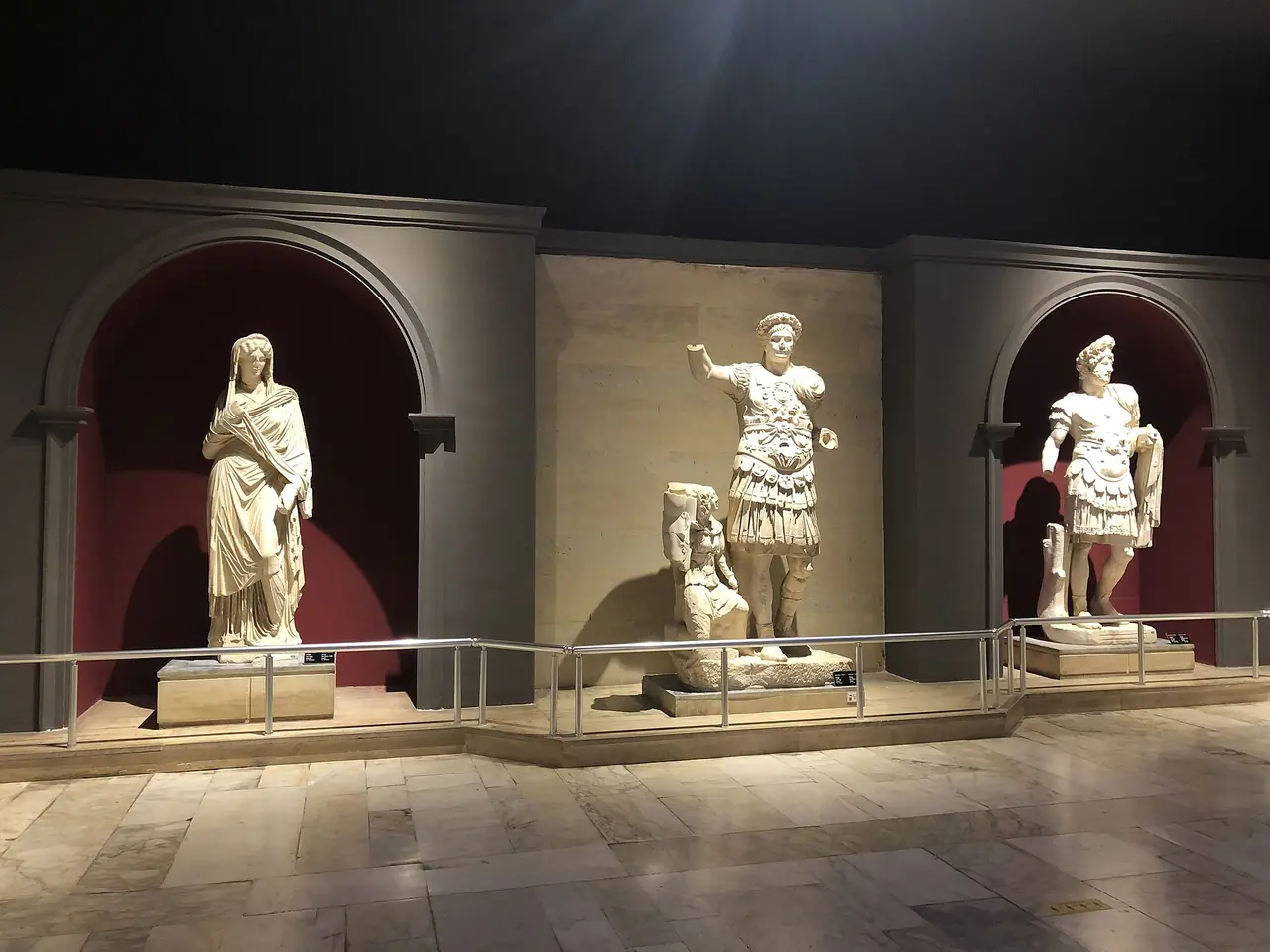
The history of Antalya is not just about ancient ruins or past empires; it is a living story of people, culture, and connections that have shaped the city over centuries. From its early days under the Romans and Byzantines to the Seljuk and Ottoman periods, Antalya has been a meeting point for civilizations, ideas, and traditions.
This long and layered history helped Antalya develop into:
-
A city with rich cultural traditions: Festivals, cuisine, music, and crafts reflect centuries of cultural exchange.
-
A place where different religions and arts coexisted: Mosques, churches, and theaters highlight the diversity of Antalya’s past.
-
A center for trade and commerce: Its strategic location on the Mediterranean made it a hub for merchants and travelers throughout history.
-
A destination that attracts tourists worldwide: Today, visitors from around the globe come to enjoy both its historical sites and modern attractions.
-
A home for people with diverse backgrounds: Generations of settlers, traders, and travelers have created a multicultural community.
For anyone visiting Antalya today, the combination of ancient city walls, old mosques, Roman theaters, and modern beaches makes the experience truly unique. Walking through the streets of Antalya is like stepping through the pages of history — you are not only witnessing a beautiful city, but also connecting with the stories and lives of countless people who have shaped it over thousands of years.
Antalya’s Historic Sites That Tell Its Story
To truly understand the history of Antalya, visiting its historical sites is essential. Some of the key places include:
-
Kaleiçi (Old Town): The heart of historic Antalya, this area is full of narrow streets, Ottoman-era houses, old city gates, and bustling markets. Walking through Kaleiçi feels like stepping back in time, as each corner reflects the city’s rich past.
-
Hadrian’s Gate: Built to honor the Roman Emperor Hadrian, this stone gate has welcomed visitors for centuries. Its architecture and inscriptions provide insight into the Roman influence on Antalya.
-
Ancient Theaters: From Roman and Byzantine times, these theaters were centers for arts, performances, and public gatherings. They show how Antalya once played a key role in culture and entertainment.
-
Yivli Minare Mosque: This iconic mosque represents the Seljuk era and is one of the best examples of early Turkish architecture. Its fluted minaret stands as a landmark of Antalya’s Islamic heritage.
-
Old Harbor: A historic port that highlights Antalya’s continuous connection with the Mediterranean Sea. The harbor reflects the city’s long-standing role in trade, travel, and cultural exchange.
Visiting these sites allows travelers to see the different layers of Antalya’s past. Every stone, gate, and pathway tells a part of the city’s long story — from its ancient beginnings through the Roman, Byzantine, Seljuk, and Ottoman periods, all the way to modern life. It is a journey that blends history, architecture, and culture in one unforgettable experience.
Antalya: A Bridge Between Past and Present
The history of Antalya is unique because it reflects the blending of many cultures and civilizations over thousands of years. This city was originally part of the Lycian lands, then became a thriving Roman town, later a center under the Seljuks, and finally an important city within the Ottoman Empire. Today, Antalya is a modern Turkish city that welcomes millions of visitors from around the globe each year.
Antalya’s history demonstrates:
-
How geography shapes human life: Its coastal location and surrounding mountains made it a strategic and fertile settlement.
-
How cultures mix and evolve: Roman, Byzantine, Seljuk, and Ottoman influences coexist in architecture, traditions, and daily life.
-
How traditions persist in modern life: Ancient festivals, crafts, and culinary habits continue alongside contemporary urban life.
-
How the past integrates into the present: Historical sites, old streets, and ancient ports remain part of everyday city life.
The story of Antalya is more than dates and empires; it is a story of human resilience, connection, and cultural blending. History here is not confined to books or museums — it lives in the streets, buildings, people, and landscapes, offering every visitor a chance to witness the layers of time firsthand.
Conclusion: Understanding the Full Story of Antalya
In summary, the history of Antalya is a long and beautiful journey from ancient times to the present day. It begins with early settlers and ancient civilizations, continues through Greek and Roman influence, unfolds during the Seljuk and Ottoman periods, and grows into the modern city we see today. Antalya is more than just a destination for sea and sun. It is a living historical story that welcomes everyone who wants to learn about culture, life, and human connections. The city’s past adds meaning to its present and shows why Antalya has remained important for thousands of years. When you visit Antalya, you are not just seeing a city — you are exploring a story that has been written by many generations. Each part of Antalya’s history is a chapter that helps us better understand the world and the people who shaped it. The history of Antalya is not only important to Turkey — it is part of the shared history of the Mediterranean and of human civilization itself.